The Real Cost of Abandoned Carts for Small E-commerce Stores
Abandoned carts are often treated as an unavoidable part of running an e-commerce business.
As your business grows, customers browse. They add items to their cart. They get distracted, hesitate, or decide to come back later. Over time, merchants learn to live with it. A few abandoned carts here and there don’t feel catastrophic.
But when you step back and look at the numbers, abandoned carts aren’t a small leak. They’re a steady, compounding revenue drain ... especially for small e-commerce stores operating on thin margins. If you're a small D2C store that has just started on Shopify, or just ran your first Ad and are seeing traffic which is leading to Abandoned Carts, you might just wonder: "why did you leave my cart?"
This post breaks down the real cost of abandoned carts, what doing nothing actually means for your business, and why recovery isn’t about being aggressive—it’s about being intentional. You can easily recover almost 10 - 20% of these shoppers with just the right strategy. Keep reading to learn more.

What an Abandoned Cart Really Represents
An abandoned cart occurs when a shopper adds products to their online cart but leaves your store without completing checkout. On Shopify, this is tracked as an abandoned checkout once a customer enters their information but doesn't finish paying.
An abandoned cart isn’t casual interest. It’s high intent. At this point in the funnel, a customer has:
Found your store
Evaluated your product
Added items to their cart
Entered checkout details
They didn’t bounce from a landing page. They didn’t scroll and leave. They were close enough to purchase that something interrupted them.
That distinction matters, because high-intent drop-off is where the largest revenue opportunity lives.
Industry Trends
🛒 Nearly 70% of all online shopping carts are abandoned
💰 The average order value of abandoned carts is $75.45
📈 Global eCommerce loses $18 billion annually to cart abandonment
⏰ For every 100 potential customers, 70 will leave their purchase behind
The Compounding Cost of Doing Nothing
Let’s use a simple example.
Imagine a small Shopify store with:
1,000 checkout starts per month
A 70% abandonment rate
An average order value of $75
That’s 700 abandoned carts every month. On paper, that’s easy to ignore. In practice, it represents over $50,000 per month in unrealized revenue that can be yours.
Even if only a small percentage of those customers would have returned with a reminder, the opportunity cost adds up quickly. And unlike ad spend or inventory, this is revenue you already paid to acquire.
The Hidden Impact on Your Small Business
Cart abandonment effects more than just your immediate sales. It also effects your business silently and can compound over time.
1. Lost Customer Lifetime Value
Each abandoned cart isn't just a lost sale – it's a lost customer who might have become a loyal repeat buyer.
2. Wasted Marketing Spend
You've already paid to get these customers to your site and interested in your products. Letting them slip away doubles your customer acquisition costs.
3. Missed Organic Growth
Satisfied customers become brand advocates. Each abandoned cart is a missed opportunity for word-of-mouth marketing.
Why Small Stores Feel the Impact More
Large e-commerce brands can afford inefficiencies. Small stores can’t. If you're just starting your Shopify e-commerce journey where ad spend is expensive, you're looking for anything to close your deal and build a reputable brand.
When abandoned carts go unrecovered:
Customer acquisition costs rise
Paid ads need to work harder
Margins get tighter
For small e-commerce businesses, every recovered checkout matters more. The difference between breaking even and growing is often just a handful of conversions per week.
The ROI Case for Recovery
See how much you can be recovering with Matrucart's ROI Calculator
The math behind cart recovery is straightforward.
If you recover even:
5–10% of abandoned carts
Without heavy discounting
Using thoughtful, well-timed follow-ups
You’re generating revenue from traffic you already paid for. There’s no additional ad spend. No new funnel. No new acquisition channel. Just better follow-through. That’s why abandoned cart recovery consistently delivers one of the highest returns on investment in e-commerce marketing.
Why Many Stores Still Don’t Act
Despite the numbers, many merchants don’t address abandonment at all. Common reasons include:
Current marketing tools are way too confusing and target larger Shopify stores.
It feels complex
Compliance feels intimidating
They don’t want to annoy customers
They assume email is enough
These concerns are valid ... but they often lead to inaction, which quietly costs more than any recovery tool ever could. However, the real risk isn’t sending one thoughtful reminder ... it’s sending none.
Where SMS Fits Into the ROI Conversation
Email remains useful, but it has limitations. Inboxes are crowded, and checkout reminders often arrive too late to matter. Shopify's built-in email reminders are limited in nature and require customizability to be really impactful. This gap can be solved with SMS.
Text messages are immediate, personal, and tied to the device customers are already using. When used sparingly and with consent, SMS can reach customers while intent is still fresh. I mean just think about it, the shopper gave you their phone number and still abandoned their cart. What could be a hotter lead than that?
Turning Lost Checkouts Into Recovered Revenue
This is where tools like Matrucart come into play.
Once a customer has given consent, Matrucart monitors abandoned checkouts and sends a well-timed SMS reminder tied directly to what the customer left behind. No manual tracking. No guessing. No over-messaging.
The goal isn’t to recover every cart. It’s to recover the ones that were never truly lost—just unfinished.
For small e-commerce stores, that difference compounds quickly and can make all the difference.
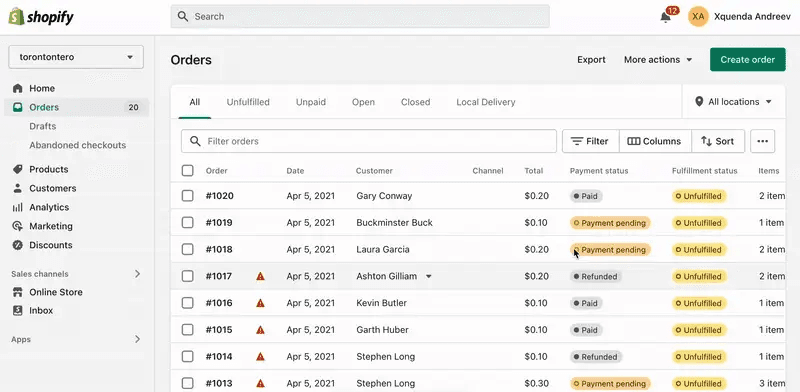
How to See Abandoned Carts in Shopify: A Complete Recovery Guide
an in-depth walkthrough on abandoned carts and how to access them in Shopify
Read Full Story
👻 Don't Let Abandoned Carts Haunt Your Store This Halloween: Recover Sales with SMS Reminders
This Halloween, don't let abandoned carts haunt your store. Consider strategies to re-engage with shoppers via SMS!
Read Full Story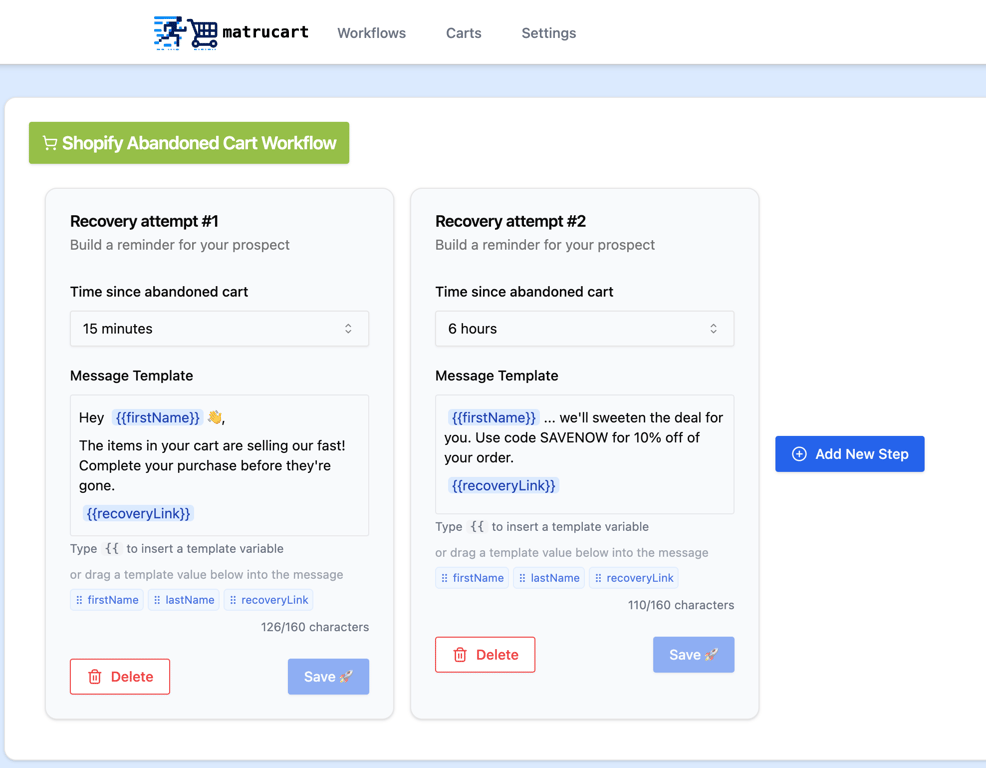
15 Abandoned Cart SMS Templates That Actually Recover Sales
15 ready to use sms templates you can use to start recovering sales for your abandoned carts in Shopify.
Read Full Story